Medium breed
German Pinscher Puppies
Confident companion with a loving spirit
We do not have German Pinscher puppies on the floor today. Tell us what you are looking for and we will let you know the moment one arrives, or help you find a breed that suits your home just as well.
- Adult weight 25–45 lbs
- Height 17–20 in
- Lifespan 12–15 years
- Exercise 60 min a day
About the German Pinscher
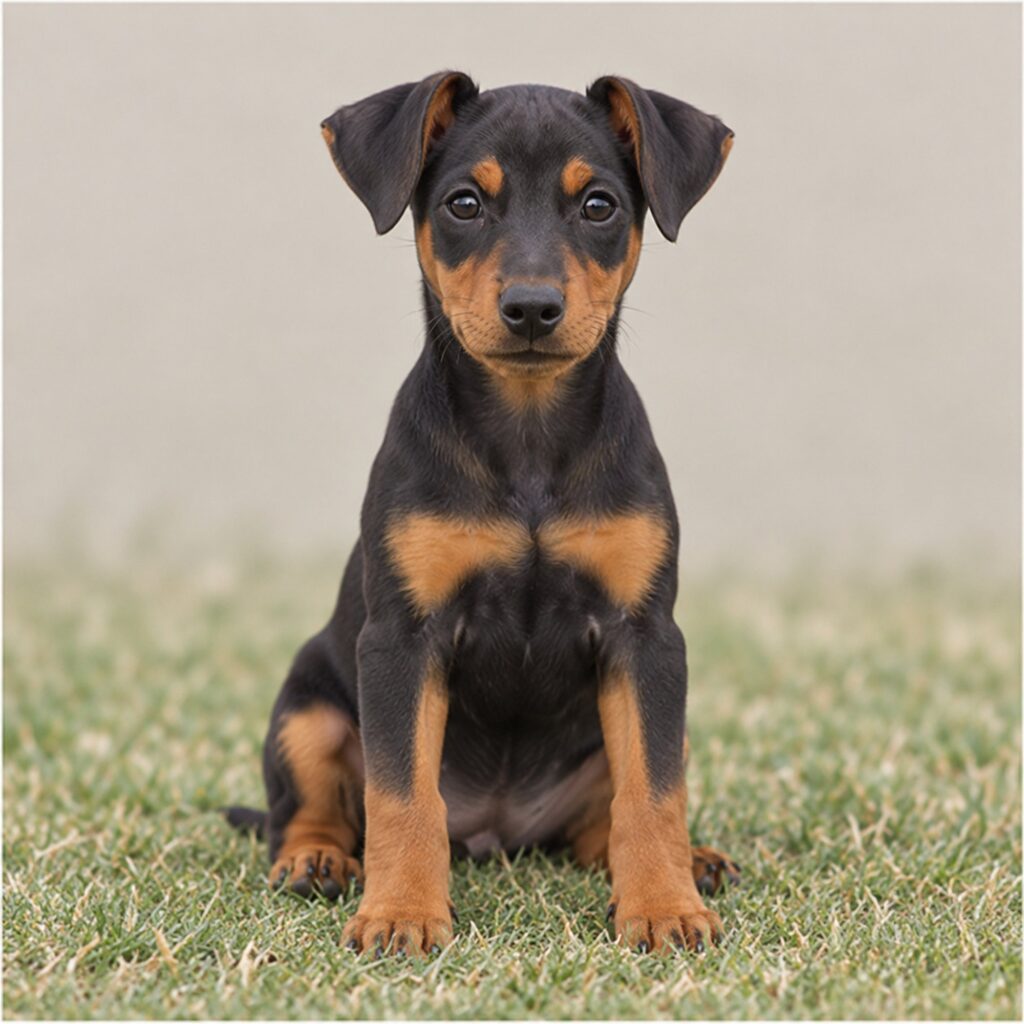
The German Pinscher is a remarkable breed with roots dating back to the early 19th century in Germany, where they were initially bred as versatile working dogs. You can expect a medium-sized dog with a sleek appearance and an exceptionally strong build, making them both attractive and functional. Known for their affectionate nature, German Pinschers create strong bonds with their families and thrive in lively households. This breed tends to be good with young kids, making them a suitable addition to family life, though they may require some supervision around smaller pets, as their instincts can be strong.
Read more about the German Pinscher Show less
With a moderate energy level, a German Pinscher enjoys an active lifestyle but also appreciates downtime at home. Regular exercise is essential to keep them physically and mentally stimulated. Engaging in playtime or brisk walks will help channel their energetic spirit and reduce barking tendencies. Although they can adapt well to apartment living, they do best in homes where they have space to roam and explore. Their grooming needs are manageable, requiring monthly attention to keep their coat healthy, but expect some shedding throughout the year.
The German Pinscher is not only trainable but also displays a high level of intelligence, which makes them eager to learn. Consistent training and positive reinforcement will yield impressive results. This breed’s strong personality means they can be quite vocal, so early socialization and education are fundamental in helping them develop into well-mannered companions. With love and commitment, you will find that a German Pinscher can be a loyal, energetic, and endearing addition to your family.
German Pinscher breed profile
Every score below is set by our team for this breed. Higher is simply more of that trait, not better or worse.
Temperament
-
Affection Very affectionate
-
Playfulness Very playful
-
With strangers Cautious
-
Territorial Very territorial
-
Prey drive High
Family & other pets
-
Young children With supervision
-
Older children Good
-
Other dogs Selective
-
Cats Not advised
Energy & exercise
-
Energy High
-
Mental stimulation High
Training
-
Trainability Quick to learn
-
Intelligence Very bright
-
Stubbornness Biddable
Care & upkeep
-
Shedding Heavy
-
Drooling None to speak of
-
Barking Vocal
Home life
-
Apartment living Adaptable
-
Time alone Most of a day
-
Cold weather Needs a coat
-
Warm weather Comfortable
A good match for
-
First-time owners Some experience helps
-
Senior owners Demanding
-
Running partner Good
-
Hiking Good
-
Therapy work Possible
-
Guarding Strong guardian
Living with a German Pinscher
Temperament & Family Fit
The German Pinscher is a spirited and affectionate breed that thrives in family environments. They are known for their playful nature, making them suitable companions for children, but should always be supervised due to their energetic antics. With a good dose of loyalty, they can bond deeply with their families, offering not just companionship but also protection.
Energy & Exercise
This breed is moderately energetic and will require regular exercise to keep them happy and healthy. Daily walks, playtime, and mental stimulation are essential to satisfy their needs. Be prepared for playful bursts of energy; these dogs love to romp around and engage with their human companions!
Care & Grooming
Grooming a German Pinscher is relatively simple, requiring only monthly brushing to keep their coat healthy and shiny. While they do shed moderately, regular grooming helps manage this, minimizing stray hairs around the house. Their grooming routine is not overly demanding, making it easier for busy families to keep them looking and feeling their best.
Training Notes
German Pinschers are highly trainable and thrive on positive reinforcement techniques. Their intelligence and eagerness to please make them quick learners, but it's essential to establish consistent rules and boundaries early on. Additionally, they can be vocal, so training will help manage any excessive barking and keep their communication in check.
Caring for a German Pinscher
- Grooming
- Monthly brushing
- Grooming cost
- Low
- Monthly food
- Average
- Outdoor space
- A yard is recommended
- Allergy friendly
- Not considered hypoallergenic
Frequently Asked Questions
What is the energy level of a German Pinscher?
German Pinschers are quite energetic dogs, rated at a level 4. They require regular exercise and enjoy activities that challenge both their bodies and minds. Daily walks, playtime, and some training sessions will keep them happy and healthy.
How do German Pinschers behave in apartments?
While they can adapt to apartment living with a level 3 rating, a German Pinscher does need enough space to move around. Regular outdoor exercise is essential to keep their energy in check. If you live in an apartment, be prepared to take them out often for walks and play.
Are German Pinschers good with young children?
German Pinschers can be fairly good with young kids, rated at a level 3. They are usually affectionate and protective, making them great family companions. However, supervision is always recommended to ensure interactions are safe and positive.
How easy are German Pinschers to train?
Training a German Pinscher is generally a breeze, given their level 4 trainability. They are intelligent and eager to please, which helps them learn commands quickly. Consistent, positive reinforcement methods work best with this breed.
Do German Pinschers get along with other pets?
While German Pinschers are not the best with cats, rated at a level 1, they can sometimes get along with other dogs, rated at a level 2. Early socialization is key, and a careful introduction is essential to help them adjust to living with other pets.