Large breed
Newfoundland Puppies
Gentle giant, perfect for family adventures
We do not have Newfoundland puppies on the floor today. Tell us what you are looking for and we will let you know the moment one arrives, or help you find a breed that suits your home just as well.
- Adult weight 100–150 lbs
- Height 26–28 in
- Lifespan 8–10 years
- Exercise 60 min a day
About the Newfoundland
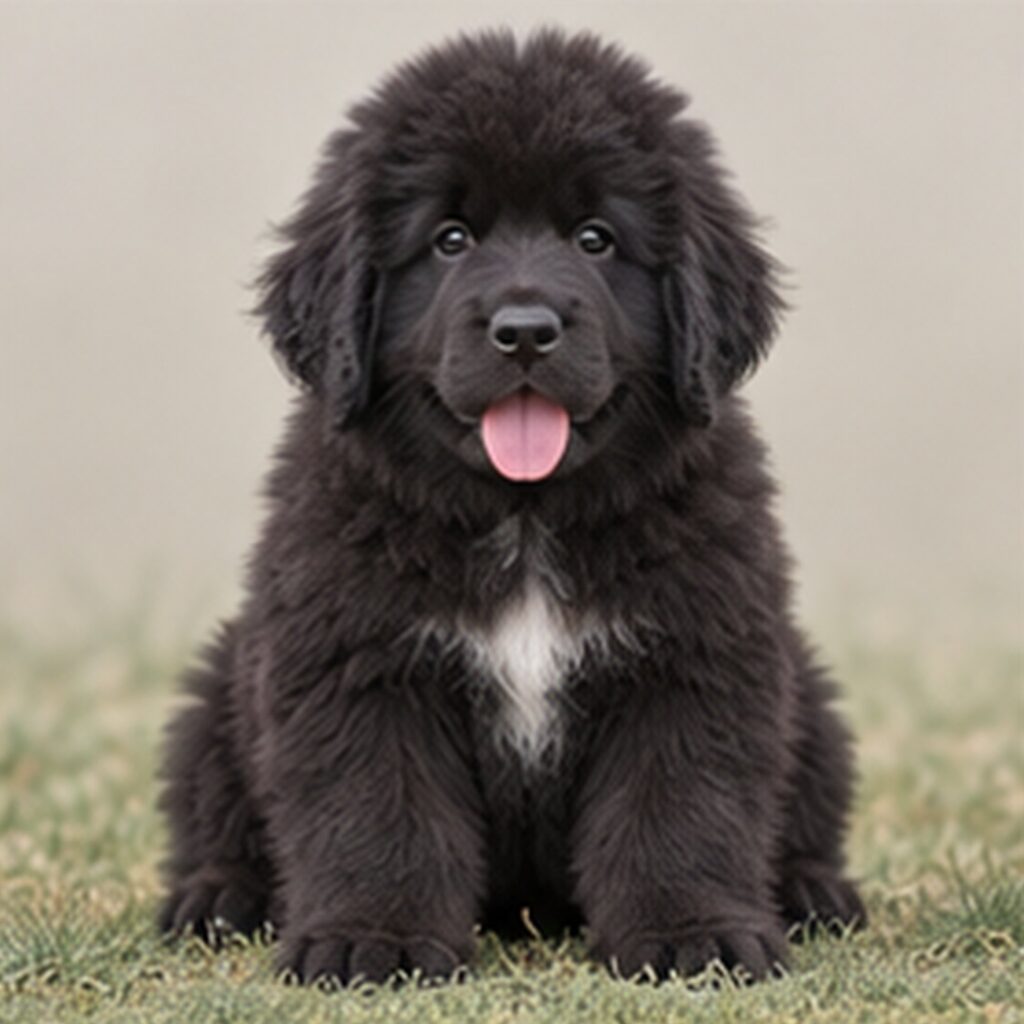
Newfoundlands are gentle giants, renowned for their impressive size and sweet nature. Originally bred as working dogs for fishermen in Newfoundland, these loyal companions have retained their love for water and their strong, protective instincts. Their affectionate demeanor makes them ideal family pets, particularly in homes with young children, as they are famously patient and kind-hearted. With a natural inclination to get along with other dogs and even cats, Newfoundlands create a harmonious atmosphere within the household.
Read more about the Newfoundland Show less
Despite their size, Newfoundlands have a surprisingly manageable energy level. They enjoy daily walks and playtime, but they are far from hyperactive, making them suitable for families in less spacious living environments. Their gentle disposition means they are not excessive barkers, adding to their charm in quieter settings. Grooming is a breeze as they only require weekly brushing due to their minimal shedding, allowing you to enjoy time with your furry friend without too much fuss.
These intelligent dogs are also quite trainable, responding well to positive reinforcement methods. They thrive on companionship and affection, often forming deep bonds with their families. Their loyalty and dedication shine through in all aspects of their character, ensuring that they are not just pets, but true family members. A Newfoundland is more than just a big dog; they bring love, laughter, and warmth into every home they touch.
Newfoundland breed profile
Every score below is set by our team for this breed. Higher is simply more of that trait, not better or worse.
Temperament
-
Affection Devoted
-
Playfulness Very playful
-
With strangers Never met a stranger
-
Territorial Relaxed
-
Prey drive Low
Family & other pets
-
Young children Excellent
-
Older children Excellent
-
Other dogs Sociable
-
Cats Great with cats
Energy & exercise
-
Energy Relaxed
-
Mental stimulation Moderate
Training
-
Trainability Quick to learn
-
Intelligence Very bright
-
Stubbornness Biddable
Care & upkeep
-
Shedding Minimal
-
Drooling A drooler
-
Barking Occasional
Home life
-
Apartment living Prefers a house
-
Time alone Needs company
-
Cold weather Thrives in it
-
Warm weather Needs shade
A good match for
-
First-time owners Good first dog
-
Senior owners Good
-
Running partner Short distances
-
Hiking Good
-
Therapy work Good
-
Guarding Protective
Living with a Newfoundland
Temperament & Family Fit
The Newfoundland is known for its gentle giant disposition, making it an exceptional choice for families. With a high affection level and a full score in being good with young kids and other pets, Newfoundlands truly thrive in a loving home environment. Their laid-back and friendly nature means they are generally calm and welcoming, allowing them to be wonderful companions for both children and adults alike.
Energy & Exercise
<p Despite being a large breed, Newfoundlands exhibit a moderate energy level, so they don’t require excessive exercise. A few daily walks and some playful time in the yard will keep them happy and healthy. They're perfectly suited to a life where they can lounge around, but they appreciate an active family who can enjoy occasional adventures together.
Care & Grooming
Newfoundlands come with a thick coat that requires consistent grooming, but fortunately, their shedding level is low. A weekly grooming routine will help keep their coat healthy and the home fur-free. With their gentle nature, bath time can even be turned into a bonding experience, ensuring your furry friend maintains that classic Newfie fluff!
Training Notes
Known for their intelligence, Newfoundlands can be trained with patience and positive reinforcement tactics. While they are generally eager to please, their independent streak may require some extra encouragement during training sessions. Given their friendly disposition, consistent training will help them socialize well and become the well-mannered family member they were born to be!
Caring for a Newfoundland
- Grooming
- Weekly brushing
- Grooming cost
- Average
- Monthly food
- High
- Outdoor space
- A yard is recommended
- Allergy friendly
- Not considered hypoallergenic
Frequently Asked Questions
Are Newfoundlands good with young children?
Absolutely! Newfoundlands are known for their gentle and patient nature, making them excellent companions for families with young kids. They are often referred to as 'gentle giants' because they handle children with care and love.
How much grooming do Newfoundlands require?
Newfoundlands have a water-resistant coat that needs attention, but you won't have to groom them every day. A weekly grooming session is usually enough to keep their coat healthy and free of tangles, which is quite manageable for most families.
Do Newfoundlands get along with other pets?
Yes, Newfoundlands are known to be very sociable and typically get along well with other dogs and even cats. Their calm demeanor and affectionate nature make them a great addition to a multi-pet household.
Can a Newfoundland live in an apartment?
While Newfoundlands are large dogs, they can adapt to apartment living if they get enough exercise and mental stimulation. They have a lower energy level, so regular walks and playtime can keep them content, though they do appreciate space to stretch out.
How trainable are Newfoundlands?
Newfoundlands are quite trainable; they are intelligent and eager to please, which makes training sessions enjoyable. However, they can be a bit independent at times, so consistent, positive reinforcement methods work best to help them learn.